≥ 99 % · HPLC
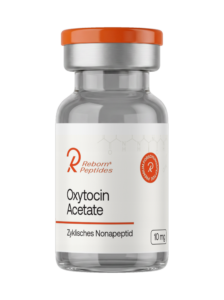
Oxytocin Acetate
Cognition, Mood & Sleep
38,90 €
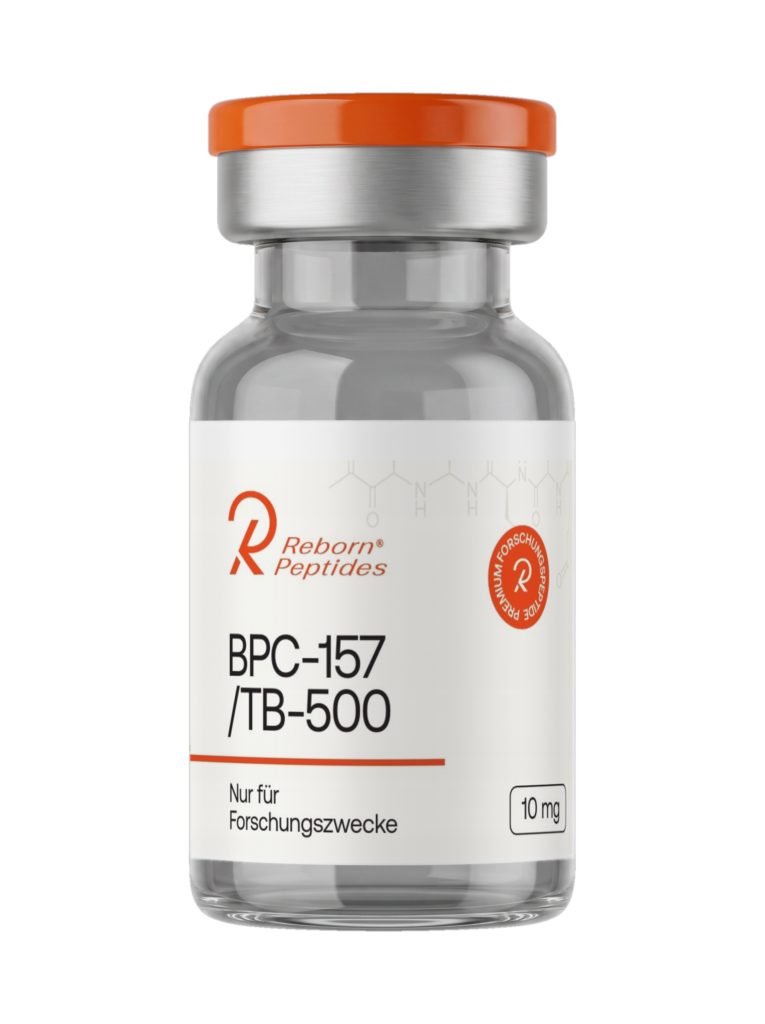
67,90 €
incl. shipping & VAT

Certificate of analysis per batch

≥ 99 % purity (HPLC)

Shipping across the EU

Delivery in 3–5 business days
Strength: 10 mg
Quantity:

Fast & secure payment

Delivery: 02.11. – 03.11.
Bacteriostatic water 10 ml
For reconstitution — included free with orders over €70.
Only 70,00 € until your free gift.
 View Certificate of Analysis
Laboratory analysis
Tested by an independent EU laboratory using HPLC against a reference standard. Purity and content of the sample at a glance, full report as PDF – with a verification code to check directly with the lab.
18RZI3CIWhat is Wolverine Blend
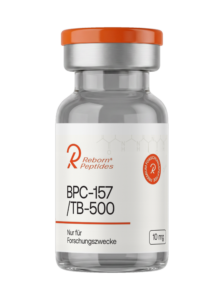
Wolverine Blend is a two-component laboratory research material containing BPC-157 5 mg and TB-500 5 mg, with a declared total of 10 mg. The trade name identifies the composition and does not state a property.
The material is supplied strictly for laboratory research and is not for human or animal use. Component publications do not establish properties of the combined material. One rat model compared both substances separately and combined and reported no additional benefit for the combination (PMID 42542926); it documents no commercial batch.
Laboratories assessing this BPC-157 TB500 blend should reconcile the composition, exact TB-500 molecular identity, batch code and analytical methods against the released label, specification and batch documentation.
Wolverine Blend is the trade name of a two-component research product with a declared composition of BPC-157 5 mg and TB-500 5 mg, totalling 10 mg. The wording BPC-157 TB500 describes the composition only. Catalogue variants such as TB500 BPC-157, BPC-157 and TB500, TB500 and BPC-157 or BPC157 TB500 name the same declared composition; naming order and spelling carry no analytical meaning. The recorded lyophilised form and binding storage conditions are to be reconciled against the released label, specification and batch documentation.
The BPC-157 and TB-500 evidence bodies remain separate. One publication examines both substances given together: Biçer et al. compared four groups of eight rats — control, BPC-157, TB-500 and the combination — in an Achilles tendon repair model and reported no additional benefit for the combined arm over either substance alone (2026, PMID 42542926; rat animal model). No study examines the declared composition itself, so findings for either component cannot be combined, transferred to the blend or used to verify a commercial batch. Differences in molecules, models, species, concentrations, measurement times and analytical procedures remain material to interpretation.
BPC-157 is described as a synthetic 15-amino-acid peptide with the sequence GEPPPGKPADDAGLV. The cited component studies used a rat model with HUVEC in vitro, a CAM assay with a rat model and cultured human vascular endothelial cells, and rat Achilles tendon explants with cultured rat tendon fibroblasts. These observations remain limited to their respective component and experimental systems.
TB-500 nomenclature is unresolved at product level. The analytical literature cited in the source uses TB-500 for the N-terminally acetylated heptapeptide Ac-LKKTETQ, whereas separate biological publications concern full-length, 43-amino-acid thymosin beta-4 or non-acetylated LKKTETQ. The exact molecular identity of the supplied TB-500 component is to be reconciled against the released label, specification and batch documentation.
Batch documentation should link the product name, batch code, analytical date, declared components, methods and results. HPLC can document a chromatographic profile and purity value only for the tested batch and documented method. For this two-component material, records should identify both substances separately and account for their declared quantities.

Evidence
The catalogue declaration states BPC-157 5 mg and TB-500 5 mg, with a declared total of 10 mg; this is not a batch-specific measurement.
Catalogue record; to be reconciled against the released label, specification and matching batch documentation
One rat Achilles tendon model compared BPC-157, TB-500 and the combination and found no additional benefit for the combined arm; it does not examine the declared composition. Component findings do not establish properties, a common mechanism or additive effects for the blend.
Biçer et al. 2026 · PMID 42542926 · separate component publications · PMIDs 25995620, 27847966, 21030672, 22962027, 1999398 and 12581423
Rat, CAM, endothelial-cell, rat-explant and rat-fibroblast systems measured component-specific tissue, migration and signalling-related endpoints.
Huang et al. 2015 · PMID 25995620 · Hsieh et al. 2017 · PMID 27847966 · Chang et al. 2011 · PMID 21030672
The cited analytical publication identifies TB-500 as Ac-LKKTETQ; exact product identity remains to be reconciled against released product and batch records.
Esposito et al. 2012 · PMID 22962027 · matching identity documentation
Full-length thymosin beta-4, non-acetylated LKKTETQ and Ac-LKKTETQ are chemically distinct and their evidence bodies are not interchangeable.
Safer et al. 1991 · PMID 1999398 · Philp et al. 2003 · PMID 12581423 · Esposito et al. 2012 · PMID 22962027
HPLC findings apply only to the tested batch and documented method; records should identify both declared components and account for their quantities.
Matching batch COA · HPLC and identity records
Research status
7 selected sources — filterable by study type, each linking straight to the source.
Research Deep Dive
Model-qualified findings in depth — every claim tied to a PubMed-indexed source.
BPC-157 TB500 is catalogued under the secondary name Wolverine Blend as a two-component research blend. Its declared composition is 5 mg BPC-157 and 5 mg TB-500, giving 10 mg total declared peptide. The commercial name states no property, and the composition declaration is not a mixture-level experimental finding.
| Field | BPC-157 TB500 blend reference specification |
|---|---|
| Catalogue name | BPC-157 TB500 · Wolverine Blend |
| Declared components | BPC-157 5 mg · TB-500 5 mg |
| Total declared peptide | 10 mg |
| SKU | not stated in the source record |
| Form | listed internally as lyophilised; not conclusively established by released records |
| Class | two-component research blend |
| CAS / formula / molecular mass | not applicable to the blend as a single molecular identity; each component requires separate identity assignment |
The TB-500 designation does not by itself settle molecular identity. Analytical literature in the source set uses TB-500 for the acetylated fragment Ac-LKKTETQ, whereas wider catalogue usage may refer to full-length, 43-amino-acid thymosin beta-4. The applicable label, specification and batch analytics must identify the form actually present.
Analytical identity context: Esposito et al. 2012 · PMID 22962027
The cards separate the two declared components and their evidence boundaries. All cited findings belong to the stated molecule and experimental model; they neither characterise the combined material nor establish additive or synergistic behaviour.
BPC-157 is the synthetic 15-amino-acid component with sequence GEPPPGKPADDAGLV. Source publications examined endothelial, signalling, migration and tissue-related measurements in cell, ex vivo, CAM and preclinical rat models, not the blend. Full Research Deep Dive →
TB-500 names the Tβ4-related component, while its exact molecular assignment remains a specification and batch-document question. The source literature distinguishes analytical work on Ac-LKKTETQ from research on non-acetylated LKKTETQ and full-length thymosin beta-4. Full Research Deep Dive →
One publication compares both substances given together: Biçer et al. assigned 32 rats to four groups of eight — control, BPC-157, TB-500 and the combination — in an Achilles tendon repair model and reported no additional benefit for the combined arm over either substance alone (PMID 42542926; rat animal model). No publication tests the declared 5 mg plus 5 mg combination itself. The component publications form separate evidence sets and must not be combined into a claim about BPC-157 TB500.
Component research sources: Huang et al. 2015 · PMID 25995620 · Hsieh et al. 2017 · PMID 27847966 · Chang et al. 2011 · PMID 21030672 · Esposito et al. 2012 · PMID 22962027 · Safer et al. 1991 · PMID 1999398 · Philp et al. 2003 · PMID 12581423
The material is listed internally as lyophilised, but the released records cited by the source do not conclusively establish that form. No temperature, light condition, stability period or shelf-life is asserted here; binding conditions must come from the released label, specification and applicable batch documentation.
An attributable Certificate of Analysis should connect the BPC-157 TB500 product designation, batch code, test date, declared components and methods with the reported findings. Both components and their declared quantities should be accounted for separately.
An HPLC result can describe a chromatographic profile or method-specific purity result only for the batch tested. It does not support a general purity statement and may not by itself establish both identities. Mass-sensitive analysis is especially relevant where the TB-500 assignment must distinguish Ac-LKKTETQ from full-length thymosin beta-4.
Identity distinction informing batch review: Esposito et al. 2012 · PMID 22962027 · Safer et al. 1991 · PMID 1999398
BPC-157 TB500 is supplied to laboratories in the EU as research material under the secondary catalogue name Wolverine Blend. Before assignment to a controlled study, laboratory records should reconcile the product designation, batch code, 5 mg declaration for each component, 10 mg total and the applicable batch documentation.
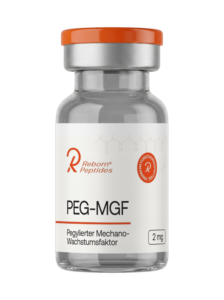
Published literature in the source set concerns the separate components in analytical, biochemical, cell-based, ex vivo or animal systems, plus one rat model comparing both substances alone and combined; PEG-MGF remains a separate research record. None of it certifies supplied material or establishes a result for the declared blend.
For laboratory research only. Not for human or veterinary use.
FAQ
Wolverine Blend is the trade name of a laboratory research material containing BPC-157 and TB-500 in the same preparation. The name makes no statement about properties; the market terms Wolverine peptide stack and peptide Wolverine likewise identify the composition only.
The declared composition is BPC-157 5 mg and TB-500 5 mg, totalling 10 mg. This is a content declaration, not proof of identity or batch-specific purity. Product form and storage conditions are to be reconciled against the released label, specification and batch documentation.
One study is available: Biçer et al. compared control, BPC-157, TB-500 and both substances combined in a rat Achilles tendon repair model and reported no additional benefit for the combination over either substance alone (2026, PMID 42542926; rat animal model). It examines a surgical repair model, not the declared product. The remaining cited papers concern BPC-157, full-length thymosin beta-4, or a fragment or sequence motif. Component findings must not be presented as properties of the blend.
The cited BPC-157 publications used preclinical animal, cell and ex vivo systems to measure tissue, endothelial, migration, VEGFR2-, Akt-, eNOS-, FAK- and paxillin-related endpoints. Each observation remains limited to the stated component and experimental model.
The cited literature includes analytical work identifying TB-500 as Ac-LKKTETQ, biochemical in vitro work on full-length thymosin beta-4, and mouse-model work on full-length thymosin beta-4 and non-acetylated LKKTETQ. These chemically distinct forms are not interchangeable.
In the cited analytical literature, TB-500 denotes N-terminally acetylated Ac-LKKTETQ, corresponding to thymosin beta-4 residues 17–23. Other literature concerns full-length, 43-amino-acid thymosin beta-4 or non-acetylated LKKTETQ. The exact supplied form is to be reconciled against released product and batch records.
It should connect the product name, batch code, analytical date, declared components, methods and results. Any HPLC purity value applies only to the tested batch and documented method; records should identify both components and account for their declared quantities.
Wolverine Blend is supplied strictly for controlled laboratory research and is not for human or animal use. Product reference, batch code, quantities, molecular identity and matching analytical documentation should be cross-checked for the research project.
We accept prepayment by SEPA bank transfer as well as credit card. All payments are processed securely and encrypted.
Discreet shipping from the EU, delivery in 3–5 business days. Neutral packaging with no reference to the contents.