Peptide Research: Knowledge, Evidence and Documentation
This peptide research guide structures peptide research: accurate material identification, published evidence, the model of an observation and supplied-batch documentation. It connects scientific context with laboratory records without treating catalogue descriptions as evidence of experimental performance.
All materials discussed here are for laboratory research use only. They are not for human or veterinary use. This area supports decisions about substance identity, evidence quality and batch traceability—not to provide human-use instructions, clinical guidance or claims about outcomes. Purity is meaningful only for a specific batch, supported by its certificate of analysis (COA) and analytical record.
What are research peptides?
Research peptides are short amino-acid chains supplied as defined experimental materials, not as products for human or veterinary use. The term describes a supply and documentation context, not a chemical family: a catalogue can list true peptides alongside analogues, complexes, blends and non-peptide small molecules that share a research theme but not a structure. Experimental use requires an unambiguous identifier, a stated sequence or structure, and a batch record that names the methods behind each result. The compound classes overview separates those material types .
How this knowledge base is organised
First is substance identity and compound class. Names, sequences or structures distinguish peptides from analogues, mixtures, complexes and non-peptide small molecules; shared research themes do not make them chemically equivalent. The compound classes overview explains these distinctions and research peptides as chemical classes rather than a uniform catalogue group.
Second is published research with explicit model qualifiers. Evidence spans biochemical assays, in vitro cell systems, preclinical experiments, animal models, human studies and reviews. Each asks different questions; results remain bound to model, endpoint, comparator, conditions and limitations.
Third is batch analytics and documentation. COAs, HPLC chromatograms and related records describe only material tested within their named methods’ scope. Reference-substance evidence establishes neither a supplied batch’s identity, purity nor properties; a batch certificate establishes no biological result. Their separation is central to responsible laboratory assessment.
Working with published peptide research
Reading published peptides research begins with the model. In vitro receptor assays can isolate defined interactions under controlled conditions but cannot reproduce an intact organism. Animal experiments can examine integrated systems, yet species, strain, design and laboratory conditions limit transferability. Human studies add an evidence layer, but population, protocol and measured endpoints bound interpretation. Reviews organise literature as valuable maps, not substitutes for checking underlying studies.
Which endpoint was actually measured
Identify the endpoint actually measured. Binding, signalling, gene expression, a biochemical marker and an organism-level observation are not interchangeable. A statistically reported difference is also not automatically a general biological conclusion. Record the direction of the observation, measurement method, time point, comparator and uncertainty, then ask whether the experimental material is adequately identified. These details make literature screening reproducible and reveal when two papers only appear to address the same question.
From model to translation — what limits transfer
Assess translation cautiously. Pound and Ritskes-Hoitinga define external validity as the extent to which findings from one setting, population or species can be reliably applied to others, and argue that the problem of species differences can never be overcome and will always undermine the reliable translation of preclinical findings to humans (PMID 30404629; DOI 10.1186/s12967-018-1678-1). Dudal and colleagues review selected animal models from several research areas and emphasise that the translational relevance and limitation of such models must be understood when analysing disposition, mechanism and efficacy (PMID 35304340; DOI 10.1016/j.drudis.2022.03.009).
Peptides add material-specific questions, so literature screening in peptide research should separate materials by their stated sequence, structure and declared modification. A literature match based only on a shortened name can miss differences in structure or experimental material. A defensible reading record therefore links the full citation to the named compound, model, endpoint and stated limitations.
The same reading discipline is the most reliable way to compare research peptide companies. Useful supplier information keeps literature about a reference compound separate from batch-level analytical evidence, gives materials unambiguous identifiers and avoids converting preclinical observations into broad promises. Where a supplier flattens those evidence types into a single claim, the gap is one of documentation, not of wording.
Laboratory handling and documentation
Laboratory work begins with controlled receipt and traceability. Personnel should reconcile the material name, label, batch identifier and associated documentation before internal release. Records should preserve the connection between the received material and the applicable COA throughout the laboratory workflow. The certificate of analysis guide explains how to read the document, while the purity, HPLC and MS overview describes what analytical results can—and cannot—support.
Supplied form matters. Lyophilised material has its own documentation and handling considerations, addressed in the lyophilised material overview. Storage requirements can vary by compound, supplied form and documented specification, so laboratories should follow the applicable product and batch records together with their own quality system; see storage and handling.
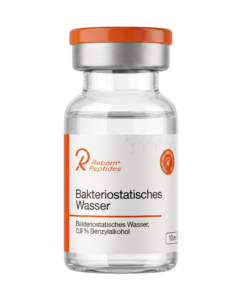
The controlled laboratory preparation overview is limited to controlled laboratory workflows and documentation. The separate page on preserved laboratory water distinguishes that preparation from peptide material and explains its place in a laboratory context. Neither page provides instructions for human or veterinary use. Risk assessment, equipment controls, environmental monitoring, access rules and waste procedures remain the responsibility of the laboratory.
Knowledge base index
- Study models: in vitro vs in vivo explains how model type defines the scope and transferability of a reported observation.
- Compound classes and types of peptides separates peptides, analogues, complexes, mixtures and non-peptide materials by identity and structure.
- Peptide blends explains why material designation, component literature and batch analytics must remain separate.
- Peptide purity, HPLC and MS introduces method scope and the batch-specific interpretation of analytical results.
- Understanding the certificate of analysis shows how a COA connects identifiers, specifications, methods and results for a documented batch.
- Controlled laboratory preparation outlines controlled research-laboratory concepts and the records needed to preserve traceability.
- Lyophilised material explains the supplied form and its relevance to laboratory documentation and handling controls.
- Storage and handling covers product-specific records, inventory control and monitored laboratory storage.
- Preserved laboratory water defines the material and separates water-preparation documentation from peptide identity.
- ERR agonist compound class provides class-level context for estrogen-related receptor agonist research materials.
- Retatrutide research glossary defines substance terminology, aliases and model-qualified published evidence.
- What are peptides: substance families and research fields orders selected substances by family and molecular form before any compound-level assessment.
- Growth-hormone-related secretagogues separates two substance classes that a paired name frequently merges into one.
- Copper peptide: tripeptide and copper(II) complex separates free GHK, the copper-bound complex and the wider material class, and assigns each published endpoint to the species actually examined.
- Thymosin beta 4 and its actin-binding fragment sets the 43-residue peptide apart from the acetylated 17-23 fragment and from Ac-SDKP, and names the model behind every cited endpoint.
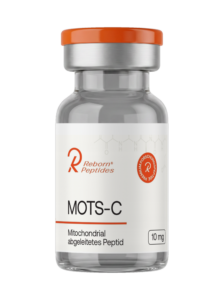
- Mitochondrial peptides and the mitokine concept orders Humanin, the SHLP series and the 16-amino-acid representative by study model and measured endpoint.
- Alpha MSH and the melanocortin receptor family separates the endogenous reference molecule from receptor subtypes, assay findings and synthetic analogues.
- Kisspeptin peptide: KISS1R signalling and fragment nomenclature keeps the KP-54 to KP-10 chain lengths apart and states the model behind every receptor and signalling finding.
- Selank and semax as separate materials records the sequences, derivations and model-qualified findings of each substance individually.
Where the catalogue fits
The research peptides catalogue is the procurement layer; this hub is the interpretation layer. Catalogue placement supports navigation but does not establish structural equivalence, a shared analytical specification or suitability for a particular experiment. The related tirzepatide analogues category provides another class-oriented route without replacing substance- and batch-level review.
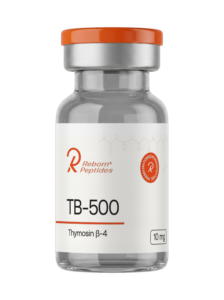
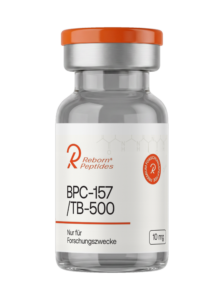
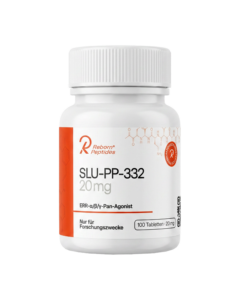
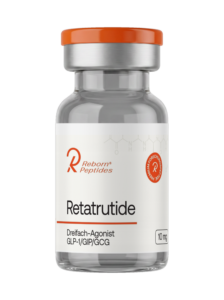
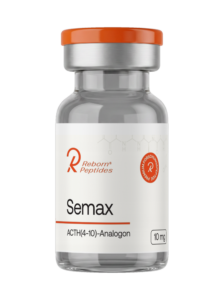
Examples of linked research materials include retatrutide, BPC-157, TB-500 and SLU-PP-332.
The following thematic grouping is a navigation aid only. Catalogue placement supports navigation but does not establish chemical equivalence or imply a study result:
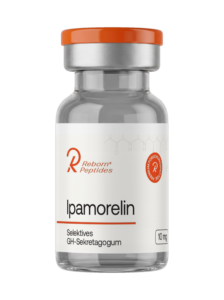
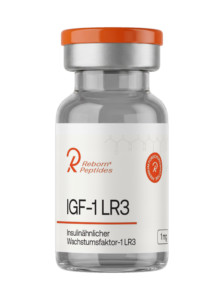
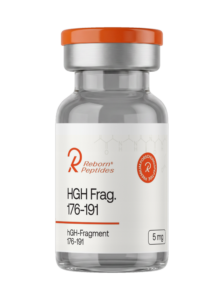
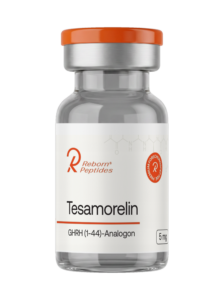
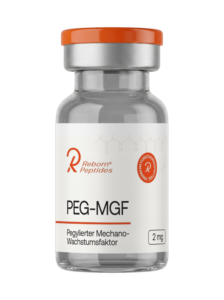
- Growth-factor and sequence-derivative research materials: IGF-1 LR3, PEG MGF, HGH Fragment 176-191, AOD-9604 peptide, Tesamorelin peptide and Ipamorelin.
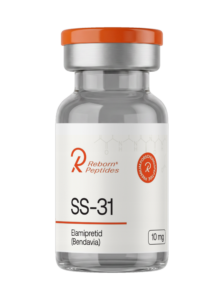
- Cellular and mitochondrial research materials: SS-31 peptide and 5-Amino-1MQ peptide.
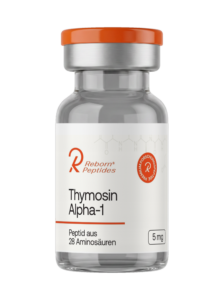
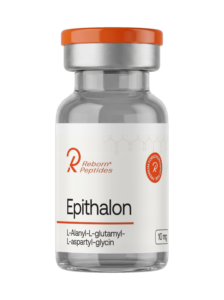
- Bioregulator- and immune-context research materials: Epithalon and Thymosin alpha-1.
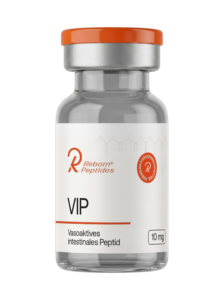
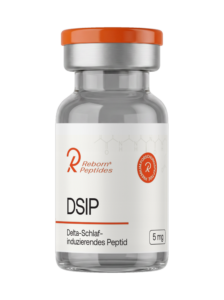
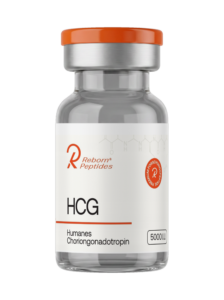
- Neuro- and hormone-context research materials: DSIP peptide, VIP peptide, Kisspeptin-10, Oxytocin acetate and HCG peptide.
Two entries above are catalogue terms, not class statements: 5-Amino-1MQ is a methylated quinolinium small molecule without an amino-acid chain, and hCG is a heterodimeric, glycosylated glycoprotein hormone. Their product pages identify the listed material and provide substance-specific context. Laboratories should match any selected item to its current label, batch code, COA and analytical documentation. No category or product link on this page implies a biological outcome, interchangeability or universal purity value.
For EU procurement, Reborn Peptides SRL provides a catalogue route with EU dispatch context. Purchasing organisations remain responsible for legal and institutional checks, supplier qualification, acceptance criteria and documentation review. Research use only peptides should be evaluated through the same controlled procurement and traceability process as other research chemicals.
Frequently asked questions
How does a knowledge page differ from a product page? A knowledge page organises substance identity, model-qualified research and batch documentation. A product page identifies a listed material and provides substance-specific context. Catalogue placement or a product link establishes neither structural equivalence nor suitability for an experiment or a biological outcome.
What does a COA establish—and what does it not establish? A COA connects identifiers, methods and reported results to the documented batch within the named methods’ scope. It does not establish a biological result. Evidence about a reference substance does not establish a supplied batch’s identity, purity or properties.
What is a model qualifier when reading a study? It identifies where an observation was made: for example, in a biochemical assay, cell system, preclinical experiment, animal model, human study or review. The model, endpoint, comparator, conditions and limitations define what can reasonably be concluded.
Research-use statement
All materials referenced in this knowledge hub are for laboratory research use only and are not for human or veterinary use. Material selection must follow the documented research question, an appropriate experimental model, the laboratory’s risk assessment and its own acceptance criteria. Published evidence, catalogue identity and batch analytics should remain separate, traceable parts of that decision.
References
- Pound P, Ritskes-Hoitinga M. Is it possible to overcome issues of external validity in preclinical animal research? Why most animal models are bound to fail. Journal of Translational Medicine. 2018. PMID 30404629.
DOI: 10.1186/s12967-018-1678-1. - Dudal S, et al. Translating pharmacology models effectively to predict therapeutic benefit. Drug Discovery Today. 2022. PMID 35304340.
DOI: 10.1016/j.drudis.2022.03.009.