≥ 99 % · HPLC
Semax
Cognition, Mood & Sleep
44,90 €
42,90 €
incl. shipping & VAT

Certificate of analysis per batch

≥ 99 % purity (HPLC)

Shipping across the EU

Delivery in 3–5 business days
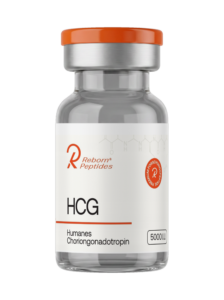
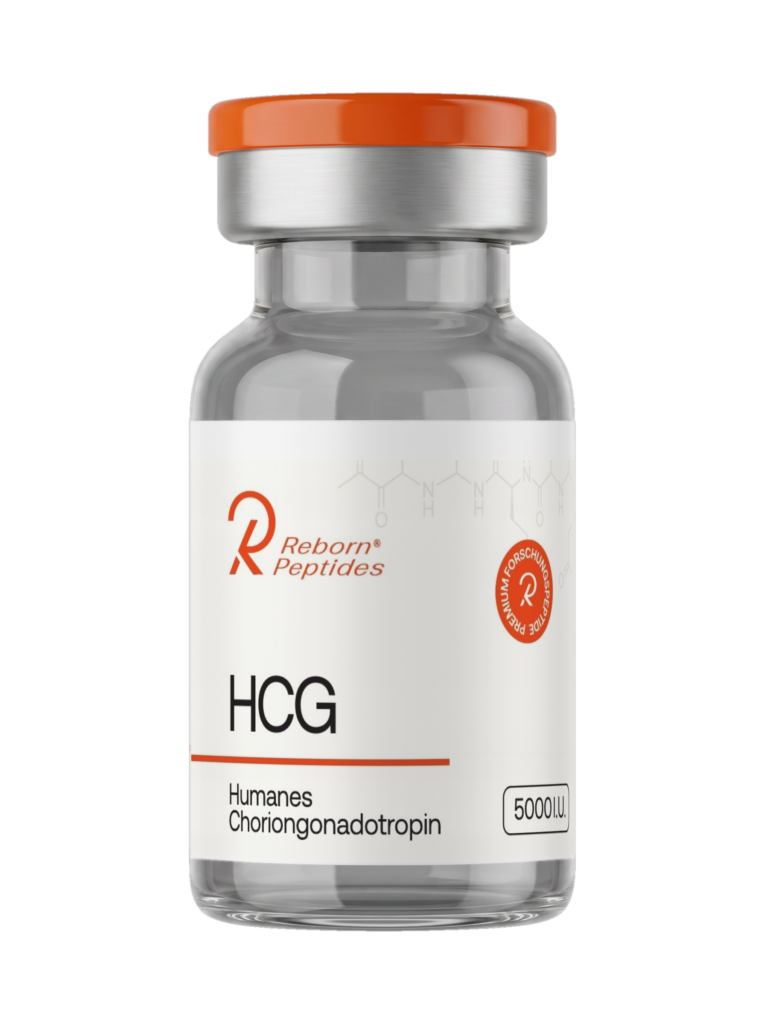
Strength: 5000 IU
Quantity:

Fast & secure payment
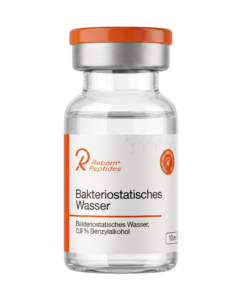
Bacteriostatic water 10 ml
For reconstitution — included free with orders over €70.
Only 70,00 € until your free gift.

What is HCG 5000 IU
Human chorionic gonadotropin (hCG) is a heterodimeric, glycosylated glycoprotein hormone, not a simple linear peptide. Its identity is defined by an associated common alpha subunit and hormone-specific beta subunit, both glycosylated. The hcg peptide catalogue term therefore describes its research-supply category rather than its molecular class; the same applies to the wider label hcg research peptide.
The 5000 IU designation expresses potency in International Units rather than mass. Bioactivity depends in part on glycosylation, so equal masses need not represent equal activity; batch records must connect the stated IU potency to the supplied material. This product is strictly for laboratory research and is not for use in humans or animals.
Human chorionic gonadotropin belongs to the LH, FSH and TSH glycoprotein-hormone family. Structural research describes cystine-knot folds in its alpha and beta subunits and a beta-subunit segment that stabilises the heterodimer. This glycosylated architecture distinguishes hCG from a short, single-chain research peptide.
HCG 5000 IU is standardised by biological potency rather than material mass. International Units communicate bioassay-linked activity against a reference standard; a mass figure alone cannot represent that functional standardisation. The applicable product and batch records must establish the potency, molecular form, source variant, glycoform and analytical results.
LHCGR is the shared LH/CG receptor and provides the principal receptor-pharmacology framework. Receptor cloning, structural crystallography, defined cell models and a preclinical knockout mouse model have examined receptor architecture and signalling-related endpoints. These observations remain limited to the cited model and do not establish properties beyond it.
The phrase hcg peptide uk is a procurement query only. Shipping eligibility must be confirmed for the destination, while product identity and any purity statement must follow the applicable batch documentation and COA. The material is strictly for laboratory research, not for use in humans or animals.
Evidence
A shared alpha subunit and hormone-specific beta subunit define the heterodimeric family architecture, with glycosylation integral to molecular form.
Pierce et al. 1981 · PMID 6267989
Crystallography resolved related cystine-knot folds in both subunits and beta-seatbelt stabilisation of the alpha/beta heterodimer.
Lapthorn et al. 1994 · PMID 8202136
Receptor cloning and review evidence establish LHCGR as the shared LH/CG receptor used to study ligand binding and G-protein signalling.
McFarland et al. 1989 · PMID 2502842 · Ascoli et al. 2002 · PMID 11943741
StAR-associated transport and receptor-dependent signalling endpoints were examined in defined mouse and rat cell systems; conclusions remain limited to those models.
Clark et al. 1994 · PMID 7961770 · Suh et al. 1992 · PMID 1328253
Targeted receptor inactivation was examined in a knockout mouse model and describes receptor physiology in that model, not a supplied-material attribute.
Zhang et al. 2001 · PMID 11145748
Research status
7 selected sources — filterable by study type, each linking straight to the source.
Research Deep Dive
Model-qualified findings in depth — every claim tied to a PubMed-indexed source.
Human chorionic gonadotropin is not a simple peptide. It is a heterodimeric, glycosylated glycoprotein hormone in the LH/FSH/TSH family. Its molecular identity rests on two associated subunits: a shared alpha subunit and a hormone-specific beta subunit, both carrying carbohydrate groups. That architecture differs fundamentally from a short, single-chain peptide.
A structural crystallography study described a cystine-knot fold and a beta-subunit “seatbelt” stabilising the heterodimer. A structure review placed this subunit arrangement within the wider hormone family. Variable glycosylation means one fixed formula cannot represent every form.
| Field | Reference specification |
|---|---|
| Name / synonyms | Human chorionic gonadotropin / hCG / choriogonadotropin / CG |
| Class | Heterodimeric glycoprotein hormone; LH/FSH/TSH family |
| Subunit architecture | Shared alpha subunit plus hormone-specific beta subunit; both glycosylated |
| Fold | Cystine-knot motif; heterodimer stabilised by beta “seatbelt” |
| Receptor | LHCGR (LH/CG receptor), GPCR shared with LH |
| Potency unit | International Units (IU), bioassay standardised against a WHO standard |
| Approximate molecular weight | Approximately 36–40 kDa; glycosylation-dependent, exact mass per COA |
| Formula / PubChem CID | Not assigned here because variable glycosylation precludes one fixed representation |
| CAS | 9002-61-3 is commonly cited; confirm per batch documentation |
| Catalogue designation | HCG 5000 IU |
These values define a reference, not a physical sample. Exact mass, glycoform distribution and activity remain batch-linked questions.
Architecture sources: Lapthorn et al. 1994 · PMID 8202136 · Pierce and Parsons 1981 · PMID 6267989
In a rat luteal-tissue receptor-cloning study, LHCGR identified the shared LH/CG receptor and its substantial extracellular ligand-binding domain. In a receptor review, LHCGR connected ligand binding with G-protein signalling. Neither evidence level authenticates supplied material.
In a rat luteal-tissue receptor-cloning study, LHCGR denotes the cloned LH/CG receptor, a GPCR shared with LH. The designation identifies a research target, not a batch attribute.
In in-vitro cellular systems, cAMP denotes a measured intracellular signalling intermediate downstream of receptor engagement. A pathway readout remains conditional on the preparation, stimulation and method.
In an in-vitro immortalised rat granulosa-cell model, steroidogenesis denotes the hormone-dependent endpoint restored after receptor expression. It is a model-specific measurement, not a statement about supplied material.
In an in-vitro MA-10 mouse Leydig cell model, Clark and colleagues examined StAR-associated cholesterol movement within the tested steroidogenesis system. In an in-vitro immortalised rat granulosa-cell model, Suh and colleagues reported that receptor expression reconstituted hormone-dependent steroidogenesis. These are defined cell-system findings.
Target and pathway sources: McFarland et al. 1989 · PMID 2502842 · Clark et al. 1994 · PMID 7961770 · Suh et al. 1992 · PMID 1328253 · Ascoli et al. 2002 · PMID 11943741
This section describes findings in controlled research and makes no statement about use. Evidence progresses from structural and in-vitro work through preclinical rodent research, analytical measurement and reviews. Each observation remains model- and endpoint-bound; no listed publication analyses a Reborn Peptides batch.
A structural crystallography study resolved the cystine-knot topology, associated subunits and beta-seatbelt stabilisation of the glycosylated heterodimer.
PMID 8202136 · DOI 10.1038/369455a0In a rat luteal-tissue receptor-cloning study, LHCGR was represented by cloned cDNA encoding the shared receptor with a substantial extracellular domain.
PMID 2502842 · DOI 10.1126/science.2502842In an in-vitro MA-10 mouse Leydig cell model, StAR-associated cholesterol movement was examined within the stated steroidogenesis system.
PMID 7961770In an in-vitro immortalised rat granulosa-cell model, introduced receptor expression restored the reported hormone-dependent steroidogenesis endpoint.
PMID 1328253 · DOI 10.1083/jcb.119.2.439In a preclinical LuRKO receptor-knockout mouse model, targeted receptor inactivation was examined across prenatal and postnatal development.
PMID 11145748 · DOI 10.1210/mend.15.1.0582An analytical radioimmunoassay study of human-derived material reported beta-selective measurement that distinguished hCG from structurally related LH. This is solely an analytical measurability endpoint.
PMID 4673805 · DOI 10.1016/0002-9378(72)90553-4This glycoprotein-hormone structure review organised the shared alpha-subunit and hormone-specific beta-subunit architecture.
PMID 6267989 · DOI 10.1146/annurev.bi.50.070181.002341In a review of receptor structure and signalling, LHCGR organised prior findings on ligand binding, receptor architecture and G-protein coupling.
PMID 11943741 · DOI 10.1210/edrv.23.2.0462This review distinguished related molecular forms, reinforcing the need to define the molecular form and analytical method addressed by a project.
PMID 20735820 · DOI 10.1186/1477-7827-8-102Evidence map: PMID 8202136 · PMID 2502842 · PMID 7961770 · PMID 1328253 · PMID 11145748 · PMID 4673805 · PMID 6267989 · PMID 11943741 · PMID 20735820
Human chorionic gonadotropin, hCG, choriogonadotropin and CG are names for the same molecule. Capitalisation and abbreviation do not create different substances. HCG 5000 IU identifies the catalogue record; batch documents establish supplied characteristics.
International Units express bioassay-standardised potency rather than mass. The unit system uses a WHO standard because variable glycosylation can affect activity, so equal masses need not represent equivalent potency. A catalogue IU designation is not interchangeable with milligrams and does not prove batch activity.
hCG is distinct from Kisspeptin-10, Tesamorelin and Ipamorelin. Kisspeptin-10 is a sequence-defined peptide investigated through KISS1R, whereas Tesamorelin and Ipamorelin are catalogued in connection with the GH axis. Their identifiers, analytical expectations and research findings cannot be transferred to this glycosylated heterodimer.
Urine-derived and recombinant material are possible source variants, but neither is asserted here. Source, glycoform distribution and comparability belong in the applicable specification and batch documentation.
Naming and molecular-form context: Pierce and Parsons 1981 · PMID 6267989 · Cole 2010 · PMID 20735820
No physical presentation, fill quantity, source variant, storage condition or stability period is asserted here. Those particulars must come from the released label, applicable specification and matching batch documentation. The catalogue designation and literature reference values do not establish them.
The product designation, batch code, test date, analytical method and result should form a traceable chain across label, specification and COA. Exact mass, glycoform information and IU-specific activity belong within that released record.
Any HPLC purity value applies only to the tested batch and stated method. It does not by itself establish biological potency, complete glycoform identity or equivalence between source variants. Chromatography, molecular identity and bioassay-standardised potency answer separate analytical questions.
Laboratories evaluating HCG 5000 IU research supply in the EU should separate published from batch evidence. Papers define investigated structures, models and endpoints; released documents define a supplied sample.
HCG 5000 IU is presented solely as research material for controlled laboratory work. No listed publication certifies Reborn Peptides material, and no catalogue statement replaces batch-specific analytical review.
Research use only. For laboratory research only. Not for human or veterinary use. Not intended to diagnose, treat, cure or prevent any disease. Not a medicinal product, food or cosmetic.

FAQ
No — not in the sense the catalogue term suggests. Human chorionic gonadotropin is a heterodimeric, glycosylated glycoprotein hormone of the LH/FSH/TSH family, not a short single-chain peptide. Its identity rests on two associated, glycosylated subunits folded around a cystine-knot motif and held together by a beta-subunit seatbelt (Lapthorn 1994, structural crystallography study, PMID 8202136; Pierce 1981, review, PMID 6267989).
It is a heterodimeric, glycosylated glycoprotein hormone composed of associated alpha and beta subunits. It is not a simple linear peptide. The catalogue term describes the research-supply category rather than the molecular class.
The designation expresses biological potency in International Units rather than material mass. The applicable batch documentation must connect the stated potency to the supplied material.
Glycosylation can affect bioactivity, so equal masses need not represent equivalent activity. IU standardisation communicates bioassay-linked potency against a reference standard.
hCG is studied as an agonist of LHCGR, the shared LH/CG G-protein-coupled receptor. Any receptor or signalling observation remains limited to the cited experimental model and endpoint.
The product name, potency, source variant, batch code, test date and analytical methods should agree across the label, specification and COA. Any purity value applies only to the analysed batch and stated method.
Strictly for controlled laboratory research. It is not intended for human or veterinary use and is not supplied as a medicinal product.
We accept prepayment by SEPA bank transfer as well as credit card. All payments are processed securely and encrypted.
Discreet shipping from the EU, delivery in 3–5 business days. Neutral packaging with no reference to the contents.