≥ 99 % · HPLC
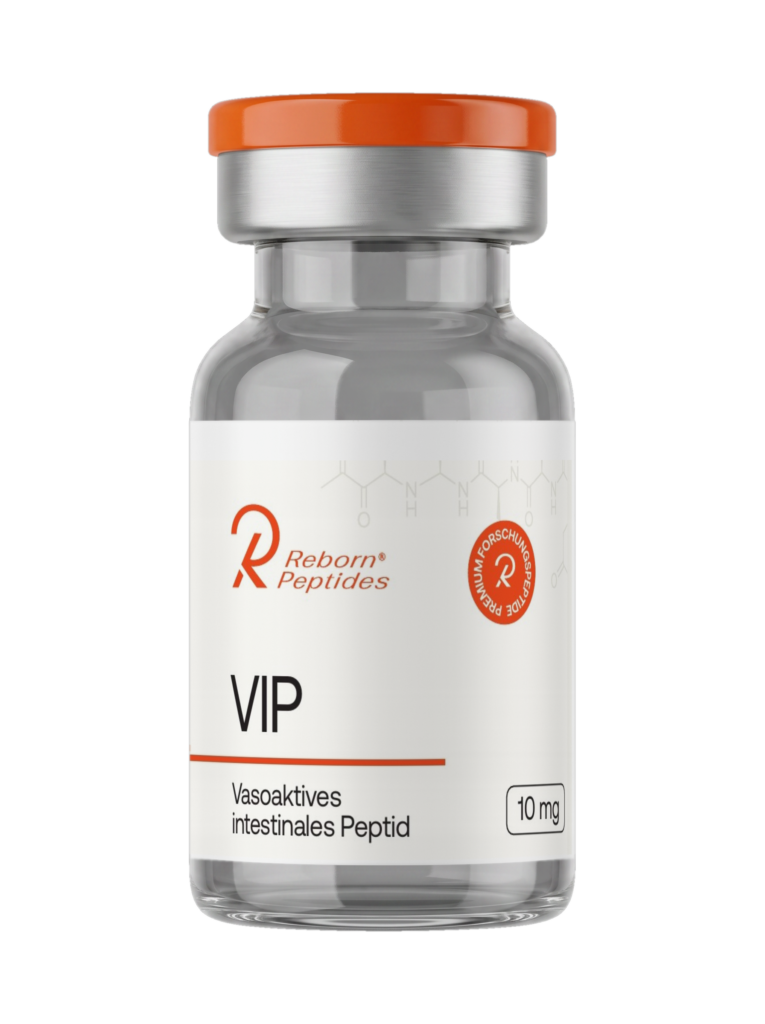
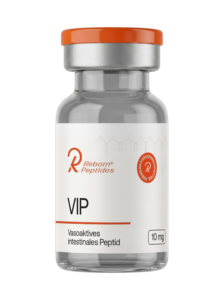
VIP
Cognition, Mood & Sleep
74,90 €

50,90 €
incl. shipping & VAT

Certificate of analysis per batch

≥ 99 % purity (HPLC)

Shipping across the EU

Delivery in 3–5 business days
Strength: 10 mg
Quantity:

Fast & secure payment

Delivery: 02.11. – 03.11.
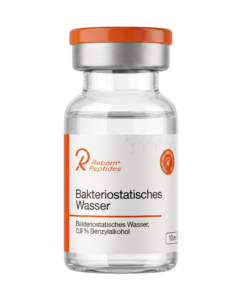
Bacteriostatic water 10 ml
For reconstitution — included free with orders over €70.
Only 70,00 € until your free gift.
 View Certificate of Analysis
Laboratory analysis
Tested by an independent EU laboratory using HPLC against a reference standard. Purity and content of the sample at a glance, full report as PDF – with a verification code to check directly with the lab.
GPQ6J1BLWhat is 5-amino-1MQ
5-Amino-1MQ, or 5-amino-1-methylquinolinium, is a methylated quinolinium derivative investigated as a small-molecule inhibitor of nicotinamide N-methyltransferase (NNMT). The common catalogue label "5-amino-1mq peptide" does not describe its chemical class: the compound is not a peptide and has no amino-acid chain, peptide bonds or amino-acid sequence.
The material is offered strictly for laboratory research and is not for use in humans or animals. Its identity, salt form and purity require matching product and batch records and a batch-specific COA; published research cannot authenticate supplied material.
5-Amino-1MQ is a methylated quinolinium small molecule investigated as an NNMT inhibitor, not a peptide. The 5-amino-1-methylquinolinium cation and its commonly referenced iodide salt have distinct formulae, masses and database records. The form of supplied material must therefore be established through coherent label, specification and analytical documentation.
The cited literature covers 3T3-L1 adipocytes, diet-induced-obesity mouse models, genetic NNMT knockdown and a combined dietary-switch experiment with microbiome endpoints. Findings concerning 1-MNA, NAD+, SAM, lipogenesis or microbiome profiles remain limited to the specific models, interventions, comparators and methods used. Genetic target reduction is not direct evidence about the compound.
For laboratory procurement, the product name, SKU, batch code, stated content, salt form, specification and COA must form one traceable record. HPLC can report chromatographic purity only for the analysed batch under the stated method; suitable MS data and a coherent specification may provide complementary identity evidence.
Storage conditions and stability must follow released product and batch documentation. The material is supplied solely for controlled laboratory research and is not intended for human or veterinary use.

Evidence
In 3T3-L1 adipocytes, the authors reported lower intracellular 1-MNA, higher NAD+ and SAM, and suppressed lipogenesis under the assay conditions; a mouse component remained preclinical and model-specific.
Neelakantan et al. 2018 · PMID 29155147
Genetic NNMT knockdown in mouse models connected reduced enzyme expression with changes in NAD+- and SAM-related metabolism, but did not directly test 5-Amino-1MQ.
Kraus et al. 2014 · PMID 24717514
With NNMT inhibition and a dietary switch in the same design, the authors reported a distinct caecal microbiome profile rather than restoration of the lean-control profile; the comparison does not isolate every contribution of either condition.
Dimet-Wiley et al. 2022 · PMID 35013352
Identity, salt form and chromatographic purity must be linked to the applicable sample, method and batch; literature findings are not batch specifications.
Reborn batch documentation · COA with HPLC and MS
Research status
3 selected sources — filterable by study type, each linking straight to the source.
Research Deep Dive
Model-qualified findings in depth — every claim tied to a PubMed-indexed source.
5-Amino-1MQ, chemically named 5-amino-1-methylquinolinium, is a methylated quinolinium small molecule investigated as an inhibitor of nicotinamide N-methyltransferase (NNMT). The catalogue label “5-amino-1mq peptide” names this small molecule, not a peptide. Its molecular architecture contains no amino-acid chain, peptide bond or amino-acid sequence. Catalogue placement and substance class are therefore separate matters.
| Field | Documented value |
|---|---|
| Chemical name | 5-amino-1-methylquinolinium |
| Class | Methylated quinolinium small molecule; NNMT inhibitor; not a peptide |
| Target enzyme | NNMT (nicotinamide N-methyltransferase) |
| Cation formula | C10H11N2+ |
| Cation molecular mass | 159.21 g/mol |
| Cation PubChem CID | 950107 |
| Cation InChIKey | ZMJBCEIHNOWCMC-UHFFFAOYSA-O |
| Iodide-form formula | C10H11IN2 |
| Iodide-form molecular mass | 286.11 g/mol |
| Iodide-form PubChem CID | 66522933 |
| Catalogue SKU | RP-1001 |
The identity table deliberately keeps the 5-amino-1-methylquinolinium cation and the commonly referenced iodide form in separate rows. Each formula belongs only with its corresponding mass and PubChem record. These reference identifiers assist documentary reconciliation, but they do not identify the form represented by a supplied batch. That determination belongs to the applicable label, specification and batch-linked analytical record.
Research source: Neelakantan et al. 2018 · PMID 29155147 · DOI 10.1016/j.bcp.2017.11.007
The name 5-Amino-1MQ refers to the 5-amino-1-methylquinolinium cation. A commonly referenced iodide form pairs that cation with iodide, producing a distinct formula, mass and PubChem entry. A shared core name does not make the records interchangeable, and a literature reference to either record does not establish which form is present in supplied material.
The cation record is C10H11N2+, 159.21 g/mol, PubChem CID 950107 and InChIKey ZMJBCEIHNOWCMC-UHFFFAOYSA-O. These four values form one coherent identity set.
The commonly referenced iodide record is C10H11IN2, 286.11 g/mol and PubChem CID 66522933. Its formula, mass and identifier must remain together.
SKU RP-1001 is a catalogue reference. Its salt form remains an open point requiring confirmation from the applicable label, specification and batch documentation.
Database identity, experimental material and delivered material answer different questions. A database record defines a reference entity; a publication describes material used under its reported conditions; a batch record connects the supplied sample to its specification and analytical results. No one layer substitutes for the others. This separation prevents an identifier from becoming an unsupported product specification. The physical presentation is likewise an open point to be established by approved product records rather than inferred from the small-molecule class or from market conventions.
Research source: Neelakantan et al. 2018 · PMID 29155147
This section describes findings in controlled research and keeps every observation attached to its model, intervention and comparator. Of the three cited publications, only Neelakantan 2018 directly examined 5-Amino-1MQ in a 3T3-L1 adipocyte culture and a preclinical diet-induced-obesity mouse model. Kraus 2014 examined the target through genetic NNMT knockdown in a genetic knockdown mouse model, not through the compound.
Kraus and colleagues used genetic NNMT knockdown in a genetic knockdown mouse model and examined NNMT expression in white adipose tissue and liver; the reported NAD+- and SAM-related metabolism findings belong specifically to that genetic knockdown mouse model. This intervention tests the enzyme target and does not test 5-Amino-1MQ.
Kraus et al. · Nature · PMID 24717514 · DOI 10.1038/nature13198Neelakantan and colleagues investigated the compound in a 3T3-L1 adipocyte culture plus a preclinical diet-induced-obesity mouse model. Lower intracellular 1-MNA, higher NAD+ and SAM, and suppressed lipogenesis were reported specifically in the 3T3-L1 adipocyte culture under the stated assay conditions.
Neelakantan et al. · Biochemical Pharmacology · PMID 29155147 · DOI 10.1016/j.bcp.2017.11.007Dimet-Wiley and colleagues combined 5-Amino-1MQ exposure with a dietary switch in a combined-condition mouse model. A distinct caecal microbiome profile, rather than restoration of the lean-control profile, was reported specifically in that combined-condition mouse model, whose design does not isolate every contribution from either condition.
Dimet-Wiley et al. · Scientific Reports · PMID 35013352 · DOI 10.1038/s41598-021-03670-5Sources: Kraus et al. 2014 · PMID 24717514 · Neelakantan et al. 2018 · PMID 29155147 · Dimet-Wiley et al. 2022 · PMID 35013352
Chemical inhibition and genetic knockdown are different interventions. Neelakantan 2018 examined 5-Amino-1MQ in a 3T3-L1 adipocyte culture and a preclinical diet-induced-obesity mouse model, whereas Kraus 2014 reduced NNMT genetically in a genetic knockdown mouse model. Evidence about the target from the genetic knockdown mouse model is not direct evidence about the compound, and agreement around NNMT does not erase differences in intervention, comparator or method.
Combined experimental conditions also restrict attribution. Dimet-Wiley 2022 assessed a caecal microbiome profile in a combined-condition mouse model that included both NNMT inhibition and a dietary switch. Because both conditions form part of the same combined-condition mouse model, the group comparison does not isolate each condition’s individual contribution.
Database identity, study identity and batch identity must remain separate. The cation and iodide entries describe reference records. The publications describe the experimental material and methods stated by their authors. Supplied material requires its own linked label, specification, batch code, sample reference, test date, methods and results. A matching catalogue name or database identifier alone does not determine counterion, physical presentation, purity or storage requirements.
The catalogue label can be documented without adopting its class implication. “5-amino-1mq peptide” is a catalogue label for a quinolinium small molecule that has no amino-acid chain, peptide bonds or sequence. The label, the actual chemical class and the identity of a supplied batch are three distinct documentary claims.
Evidence sources: Kraus et al. 2014 · PMID 24717514 · Neelakantan et al. 2018 · PMID 29155147 · Dimet-Wiley et al. 2022 · PMID 35013352
SKU RP-1001 identifies the catalogue record. The physical presentation, applicable salt form, storage conditions and stability period remain open points that require confirmation against approved product and batch documentation. None should be inferred from a database entry, publication, catalogue category or commonly referenced iodide record.
The documentation chain should connect the product designation, SKU RP-1001, batch code, sample reference, test date, analytical method and reported result. HPLC may document chromatographic purity for the tested sample under the stated method, while a suitable MS result and coherent specification may provide complementary identity evidence. Any purity statement must remain specific to the documented batch. A released, batch-specific COA is therefore a requirement for reconciliation, not a characteristic asserted here for offered material.
For European laboratory procurement, published studies provide research context and batch records describe received material. The applicable label, released specification and analytical documentation should agree on identity and traceability before laboratory release. Scientific literature cannot replace that chain, and batch documentation cannot alter what a publication tested.
Research use only. For laboratory research only. Not for human or veterinary use. Not intended to diagnose, treat, cure or prevent any disease. Not a medicinal product, food or cosmetic.

FAQ
5-Amino-1MQ is 5-amino-1-methylquinolinium, a methylated quinolinium derivative investigated as a small-molecule inhibitor of NNMT.
No. Although "5-amino-1mq peptide" is a common catalogue label, the compound is a small molecule with no amino-acid chain, peptide bonds or amino-acid sequence.
The selected studies include 3T3-L1 adipocytes, diet-induced-obesity mouse models, genetic NNMT knockdown and a combined dietary-switch experiment with microbiome endpoints. Every observation remains limited to its stated model and design.
No. Genetic reduction of NNMT and chemical inhibition by a small molecule are different experimental interventions, so findings cannot be transferred between them without direct support.
The product name, SKU, batch code, salt form, specification and analytical records must correspond. A literature reference to the same chemical name cannot authenticate a physical sample.
HPLC can report chromatographic purity for the named sample under the stated method. Any purity value applies only to the analysed batch and its matching COA.
5-Amino-1MQ is offered strictly for controlled laboratory research and is not for use in humans or animals.
We accept prepayment by SEPA bank transfer as well as credit card. All payments are processed securely and encrypted.
Discreet shipping from the EU, delivery in 3–5 business days. Neutral packaging with no reference to the contents.